 EN
 AR
 HR
 NL
 FR
 DE
 IT
 JA
 PL
 RU
 ES
 SV
 TL
 ID
 LT
 SR
 SK
 UK
 VI
 MT
 TH
 TR
 FA
 MS
 GA
 AZ
 KA
 LA
 MN
 MY
 KK
 UZ
 KY
 LB


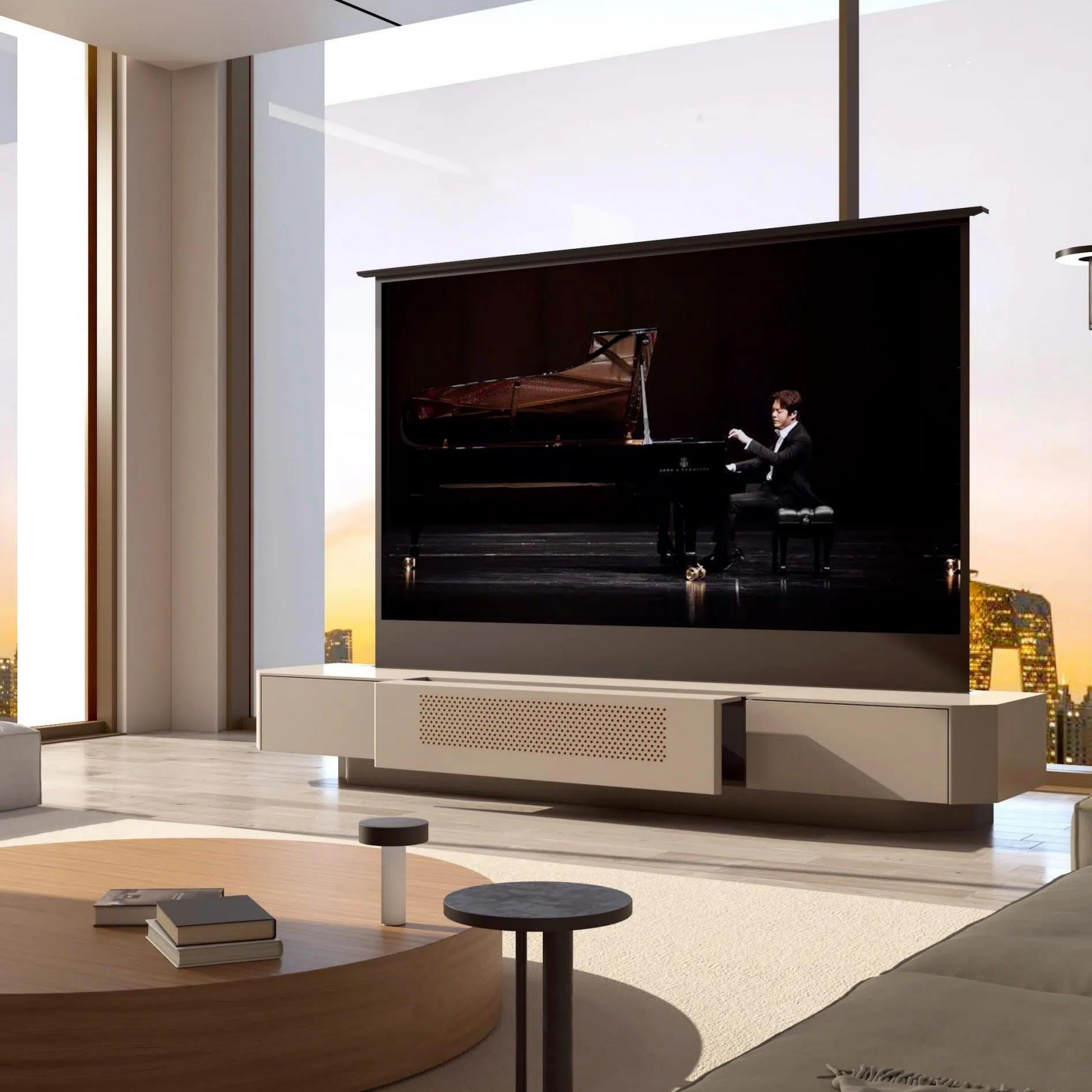
Building a profitable B2B offering with a floor rising screen solution involves understanding product quality, installation, common issues, applications across various industries, and how to compare specifications effectively. This article addresses key buyer concerns regarding functionality, quality, and customization, providing practical insights that enable purchasing managers, distributors, and engineers to make informed decisions in selecting the right floor rising screen solutions.
How to Evaluate Quality in Floor Rising Screen Products
When evaluating floor rising screen products, several quality indicators should be considered. Firstly, the material used in the screen fabric is crucial; high-quality floor rising screen often utilize a blend of polyester and PVC, which offers durability and excellent image clarity. Buyers should assess the screen's gain factor, typically ranging from 1.0 to 1.8, which indicates how much light the screen reflects. A higher gain factor can enhance brightness, making it suitable for rooms with ambient light.
Another critical aspect is the construction of the mechanism. Look for screens that feature robust casing and reliable deployment mechanisms. The quality of the motor is also essential; it should provide smooth and consistent operation over time. Additionally, manufacturers should offer certifications for compliance with safety and performance standards, which can bolster buyer confidence in the product's longevity and reliability.
Installation Guidance for Your Floor Rising Screen Solution
Proper installation is vital for the effective operation of floor rising screens. Typically, installation involves ensuring that the screen is placed on a stable surface, with adequate clearance for the screen’s full extension. When mounting, consider the screen's height and viewing distance; ideally, the bottom of the screen should be positioned at eye level when seated.
It's also important to connect the screen to the appropriate power source and ensure that the electrical connections are secure. For those opting for automated systems, integrating the screen with existing smart home or multimedia systems requires careful planning. Manufacturers often provide detailed installation guides, and it's advisable for buyers to review these thoroughly before proceeding. Engaging professional installers can further ensure that the screen operates as intended without compromising quality.
Common Problems with Floor Rising Screens and Their Solutions
Buyers should be aware of common issues that may arise with floor rising screen projector. One frequent problem is malfunctioning mechanisms, often caused by wear and tear on the motor or misalignment during installation. Regular maintenance, such as cleaning the mechanism and checking for obstructions, can help mitigate these issues.
Another issue is image distortion, which can stem from improper screen tension. Ensuring that the screen is correctly tensioned during installation is key; a well-tensioned screen will maintain a flat surface for optimal viewing. If distortion occurs, buyers should consult their supplier for potential adjustments or replacements.
Moreover, poor electrical connections can lead to inconsistent operation. Buyers should verify that all connections are secure and that the power supply is stable. If problems persist, contacting the manufacturer for troubleshooting advice can provide practical solutions.
Applications of Floor Rising Screens in Various Industries
Floor rising screens are versatile and find applications across numerous industries. In the corporate sector, they are ideal for presentations and meetings, providing a professional appearance while saving space when not in use. The education sector also benefits from these screens, allowing for dynamic teaching environments that can adapt to various learning styles.
In the event and entertainment industry, floor rising screens can enhance presentations and performances, providing an impressive visual element that captivates audiences. Additionally, they are becoming increasingly popular in residential settings, particularly in home theaters, where aesthetic considerations are paramount.
Customization plays a significant role in expanding the applicability of these screens. Manufacturers like WUPRO can tailor screens to meet specific size, aspect ratio, and material requirements, ensuring that they meet the unique demands of different applications.
How to Compare Different Floor Rising Screen Specifications
When comparing specifications of motorized floor rising screen, buyers should focus on several key factors. Start with the screen size and aspect ratio these should align with the intended viewing environment. For example, a standard 16:9 aspect ratio is suitable for most presentations, while 4:3 might be preferred for certain educational uses.
Next, consider the material and gain factor, as these influence image quality and brightness. The construction quality, including the casing and mechanism, should also be examined. Look for details like the type of motor (electric or manual) and whether the screen includes features such as remote control or smart home integration.
Finally, pay attention to warranty and customer service policies offered by manufacturers. A robust warranty can provide peace of mind regarding the product's longevity and support. By systematically evaluating these specifications, buyers can ensure they select a floor rising screen that meets their operational needs and quality expectations.