 EN
EN
 AR
AR
 HR
HR
 NL
NL
 FR
FR
 DE
DE
 IT
IT
 JA
JA
 PL
PL
 RU
RU
 ES
ES
 SV
SV
 TL
TL
 ID
ID
 LT
LT
 SR
SR
 SK
SK
 UK
UK
 VI
VI
 MT
MT
 TH
TH
 TR
TR
 FA
FA
 MS
MS
 GA
GA
 AZ
AZ
 KA
KA
 LA
LA
 MN
MN
 MY
MY
 KK
KK
 UZ
UZ
 KY
KY
 LB
LB


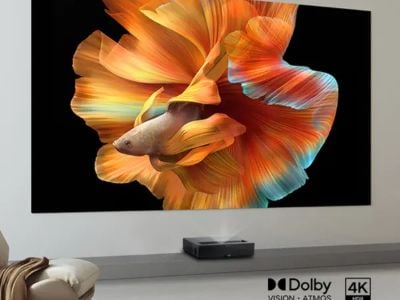
Choosing the right large projector screen, whether 120", 150", or larger seamless sizes, is critical for achieving optimal visual performance in various applications. This decision significantly impacts presentation clarity, viewer engagement, and overall user experience. B2B buyers, including purchasing managers and technical engineers, often face concerns regarding screen quality, installation requirements, and compatibility with existing equipment. This article will provide essential insights into choosing the right large portable projector screen to meet your specific needs while addressing common buyer concerns.
120", 150", or Larger Projector Screens
When selecting a large projector screen, understanding the dimensions is crucial. Screens come in various sizes, but 120" and 150" are popular choices for commercial applications. The size you choose should depend on several factors, including the space available, the distance between the projector and screen, and the audience size.
For instance, a 120" screen is typically suitable for smaller meeting rooms or classrooms where the audience is relatively close. In contrast, a 150" screen may be more appropriate for larger venues, such as auditoriums or conference halls, where viewers are seated farther away. Consider the resolution of the projector you plan to use; higher resolutions may be necessary for best projector screen to ensure image clarity without pixelation.
In addition to physical dimensions, the aspect ratio is another vital consideration. Common ratios include 16:9 for widescreen formats and 4:3 for traditional presentations. Ensure that your projector is compatible with the selected screen’s aspect ratio to avoid distortion or cropping of the projected image.
What to Look for in Seamless Screens?
Seamless projector screens are designed to provide a continuous viewing surface without visible seams, enhancing the visual experience. When evaluating seamless screens, consider the following factors:
Material Quality: The fabric used for the screen significantly affects image quality. High-quality materials, such as PVC or specialized projection fabrics, can enhance brightness and contrast while reducing glare. Ensure that the material is compatible with your projector's specifications.
Gain Factor: The gain of a screen refers to its reflectivity. A higher gain factor means the screen reflects more light, which can be beneficial in brightly lit environments. However, too high of a gain can narrow the viewing angle, making it essential to balance gain with your specific use case.
Construction and Durability: Look for screens that are built to withstand frequent use, especially in commercial settings. Sturdy frames and robust mounting solutions are vital for long-term performance. Ensure the huge projector screen can withstand the rigors of installation and daily operation.
Customization Options: Consider screens that offer customization capabilities, such as size adjustments or material options tailored to specific environments. This flexibility can enhance overall usability and performance.
Best Practices
To maximize the performance of your large projector screen, adhere to these best practices:
Proper Installation: Ensure that the screen is installed securely and at the correct height for optimal viewing. The center of the screen should be at eye level for the audience. Use professional installation services if necessary to avoid common pitfalls.
Regular Maintenance: Keep the screen clean and free of dust or stains, which can diminish image quality. Regularly inspect the mounting hardware for stability and wear.
Testing Before Use: Conduct a test run with your projector to ensure that the screen displays images as intended. Adjust projector settings and screen positioning based on the results to achieve the best visual experience.
Audience Considerations: Tailor your choice of screen size and gain to the specific audience and environment. Consider factors such as seating arrangements and ambient lighting.
Common Problems with Large Projector Screens and Their Solutions
Despite their advantages, large projector screens can present challenges. Here are some common issues and their solutions:
Image Distortion: If images appear warped or distorted, it may be due to improper installation or incompatible aspect ratios. Ensure that the projector and screen are correctly aligned and that the aspect ratios match.
Screen Curvature: Over time, screens can warp, especially if not properly supported. Choose a screen with a strong frame and consider professional installation to prevent curvature.
Poor Image Quality: If the projected image lacks clarity or brightness, check the screen material and gain. Upgrading to a higher-quality screen material can significantly enhance image performance.
Installation Issues: Inadequate installation can lead to various problems, including instability and misalignment. Utilize professional services to ensure that the screen is properly mounted and calibrated.
Applications of Large Projector Screens in Various Industries
Large projector screens are versatile tools applicable across numerous industries. Here are some of their key applications:
Corporate Presentations: In business settings, large screens facilitate effective communication during presentations, training sessions, and video conferences. The right screen can enhance engagement and clarity, making information easier to digest.
Education and Training: Schools and universities use large projector screens to deliver lectures and instructional videos. A seamless screen can provide an immersive learning experience, supporting various teaching methods.
Entertainment Venues: The entertainment industry utilizes large screens for movie screenings, live events, and gaming. High-quality screens enhance viewer experience, ensuring that audiences enjoy crisp visuals and vibrant colors.
Retail Environments: Retailers often use large projector screens for advertising and promotional displays. The ability to showcase dynamic content can attract customer attention and drive sales.
When selecting the appropriate large projector screen for these applications, consider the specific needs and technical requirements of your industry to ensure optimal performance.
By understanding the key factors involved in selecting large projector screens, B2B buyers can make informed decisions that enhance their operations and improve user experiences. Consider partnering with a reputable supplier like WUPRO, which specializes in high-quality projector screens and offers customization options to meet diverse needs.