 EN
 AR
 HR
 NL
 FR
 DE
 IT
 JA
 PL
 RU
 ES
 SV
 TL
 ID
 LT
 SR
 SK
 UK
 VI
 MT
 TH
 TR
 FA
 MS
 GA
 AZ
 KA
 LA
 MN
 MY
 KK
 UZ
 KY
 LB


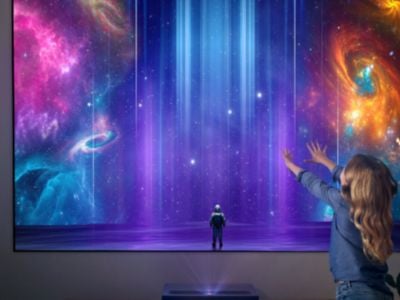
Electric screens from WUPRO have become an essential component in the automation of modern smart buildings, enhancing convenience, energy efficiency, and user experience. As B2B buyers, such as purchasing managers and engineers, you may have concerns regarding specifications, compatibility, and the overall impact of these screens on your automation systems. This article explores how electric screens meet the automation demands of modern smart buildings, guiding you through crucial specifications, sourcing, installation, and common challenges.
How Electric Screens Enhance Smart Building Automation Efficiency
Electric screens from WUPRO optimize automation efficiency by integrating seamlessly with smart building systems. They can be controlled remotely or via automation protocols, allowing users to manipulate screen settings based on time of day or occupancy levels. This not only enhances user comfort but also contributes to energy savings, as screens can block excessive sunlight or provide privacy on demand
Moreover, these screens can be programmed to interact with other smart devices, such as lighting and HVAC systems, further enhancing energy efficiency. For instance, when a meeting room is in use, the electric screen can automatically lower to reduce glare on projectors, while the lights dim to create an optimal viewing environment. This interconnectedness is vital for modern buildings seeking to improve user experience while reducing operational costs.
Key Specifications to Consider for Electric Screens in Smart Buildings
When selecting WUPRO-made Projector electric screens for smart buildings, several key specifications should be considered:
Size and Aspect Ratio: The dimensions and aspect ratio of the electric screen should align with the intended space and viewing requirements. For example, a 16:9 aspect ratio is commonly used for presentations, while a 4:3 ratio may be suitable for traditional video formats
Material: The screen material affects image quality and durability. Options like matte, glossy, or high-gain materials can impact how light reflects off the surface, influencing visibility in different lighting conditions. Consider the environment where the screen will be installed to choose the appropriate material
Control Options: Electric screens can be controlled via remote, wall switch, or integrated into a building management system (BMS). Ensure the control options align with your existing systems for seamless integration
Installation Type: Consider whether the screen will be ceiling-mounted, wall-mounted, or portable. Each installation type may require different hardware and setup considerations
Power Consumption: Evaluate the power requirements of the electric screen, as this can impact your building’s overall energy efficiency. Look for models that are energy-efficient and compliant with relevant energy standards
By carefully assessing these specifications, buyers can ensure they select electric screens that meet the demands of their specific applications.
Where to Source High-Quality Electric Screens for Bulk Orders
Sourcing high-quality Smart Automation electric screens for bulk orders requires careful consideration of suppliers who can meet your quality and customization needs. Look for manufacturers with established reputations in the smart home and electronics sectors, such as WUPRO, which specializes in projectors and screens
Direct Manufacturers: Engaging directly with manufacturers can often yield better pricing and customization options. Ensure they have comprehensive quality control processes in place to maintain consistent product quality
OEM/ODM Services: Consider suppliers that offer Original Equipment Manufacturer (OEM) or Original Design Manufacturer (ODM) services. This can be particularly useful for businesses looking to create custom solutions that fit specific project requirements
Trade Shows and Expos: Attending industry trade shows can provide valuable opportunities to connect with multiple suppliers, compare products, and gather samples. This firsthand experience can significantly aid in the evaluation process
Online Marketplaces: Websites that specialize in B2B transactions can provide access to a broader range of suppliers. However, it's essential to evaluate each supplier's reputation and customer feedback before making a decision
By sourcing from reputable suppliers, buyers can secure quality electric screens that enhance their smart building projects.
Installation Guidance for Electric Screens in Modern Smart Buildings
Proper installation of projector screen and projector is crucial for optimal performance and longevity. Here are some key considerations:
Site Assessment: Before installation, conduct a thorough site assessment to determine the ideal mounting location, taking into account viewing angles, screen size, and potential obstructions
Mounting Hardware: Use appropriate mounting hardware based on the installation type. Ensure that it can support the weight of the screen and complies with local building codes
Electrical Connections: Ensure that electrical connections are safely and correctly made. If integrating with a BMS, have a qualified technician handle the wiring to ensure compatibility and safety
Calibration and Testing: Once installed, calibrate the screen’s settings for optimal image quality. Test the remote control and any automation features to ensure smooth operation
User Training: Provide training for users on how to operate the electric screen and integrate it with other smart building systems. This can enhance the user experience and reduce operational issues
Following these installation guidelines can help ensure that electric screens function effectively within the smart building ecosystem.
Common Problems with Electric Screens and Effective Solutions
Despite their advantages, electric screens may encounter common issues that can affect performance. Here are some typical problems and their corresponding solutions:
Screen Jamming: If the screen gets stuck during operation, check for any obstructions in the mounting hardware or ensure that the motor is properly lubricated. Regular maintenance can prevent this issue
Power Supply Issues: Intermittent power supply can cause the screen to malfunction. Ensure that the electrical connections are secure and that the power source meets the screen’s specifications
Image Quality Problems: If the image appears distorted or blurry, assess the screen material and ensure it is appropriate for the environment. Consider adjusting the installation angle or recalibrating the projection settings
Remote Control Malfunctions: If the remote control does not function properly, check the batteries and ensure there are no obstructions blocking the signal. If problems persist, consult the manufacturer for troubleshooting tips
Integration Failures: When integrating electric screens with other smart systems, ensure compatibility with existing technologies. Regular software updates may be required to maintain smooth operation.
By anticipating these common problems, buyers can take proactive steps to minimize disruptions and ensure the effective functioning of electric screens within smart buildings.
Table of Contents
- How Electric Screens Enhance Smart Building Automation Efficiency
- Key Specifications to Consider for Electric Screens in Smart Buildings
- Where to Source High-Quality Electric Screens for Bulk Orders
- Installation Guidance for Electric Screens in Modern Smart Buildings
- Common Problems with Electric Screens and Effective Solutions