 EN
 AR
 HR
 NL
 FR
 DE
 IT
 JA
 PL
 RU
 ES
 SV
 TL
 ID
 LT
 SR
 SK
 UK
 VI
 MT
 TH
 TR
 FA
 MS
 GA
 AZ
 KA
 LA
 MN
 MY
 KK
 UZ
 KY
 LB


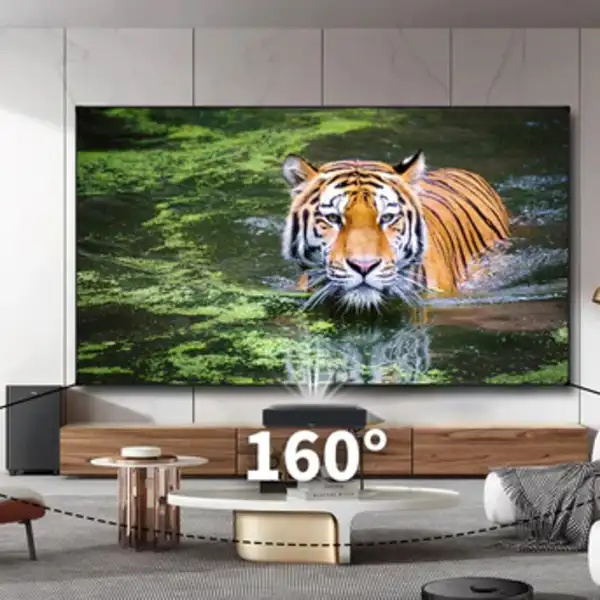
When it comes to creating high-end home theaters, custom projector screens play a pivotal role in delivering an exceptional viewing experience. Understanding the right custom projector screen specifications AV dealers need is essential for ensuring top performance, compatibility, and customer satisfaction. This article will address the key considerations for selecting projector screens, outline critical specifications, explore sourcing options, evaluate cost factors, and discuss common installation challenges, providing valuable insights to help dealers make informed purchasing decisions.
How to Choose the Right Projector Screen for High-End Home Theaters
Choosing the right portable projector screen for a high-end home theater involves several key factors that can significantly impact performance. First, consider the screen type fixed frame, retractable, or portable. Fixed frame screens provide optimal tension and a flat surface, making them ideal for permanent installations, while retractable screens allow for flexibility in usage.
Next, evaluate the screen material. High-quality materials with appropriate gain levels enhance brightness and color accuracy. For instance, a screen with a gain of 1.0 is ideal for rooms with controlled lighting, while a higher gain may be suitable for brighter environments. Additionally, the screen's aspect ratio should match the projector's output for optimal image quality.
Finally, consider the screen size. It should be proportional to the room dimensions and viewer distance to ensure an immersive experience. A common guideline is the 1.5 to 2.0 times the diagonal screen size for ideal viewing distance. By carefully assessing these factors, AV dealers can select screens that meet their clients’ specific needs and preferences.
Key Specifications for Custom Projector Screens AV Dealers Should Know
When specifying custom projector screens, several technical parameters are crucial for ensuring compatibility and performance:
Screen Size and Aspect Ratio: These dimensions must align with the projector's output and the intended viewing environment. Common aspect ratios include 16:9 for standard HD content and 2.35:1 for cinematic experiences.
Material Composition: The material affects not only the screen's durability but also its optical properties. Common materials include matte white for versatile use, high-gain materials for brighter images, and ambient light-rejecting fabrics for environments with light interference.
Gain Factor: The gain indicates how much light the screen reflects. A gain of 1.0 means the screen reflects light evenly, while higher gains can enhance brightness but may narrow viewing angles.
Surface Texture: This impacts diffusion and viewing angles. A smooth surface provides sharp images, while a textured surface can help diffuse light better, reducing hot spots.
Framing and Mounting Options: Custom screens may offer various mounting solutions, including wall-mounted or ceiling-mounted options, and framing styles that can affect aesthetics and installation ease.
Understanding these specifications will help AV dealers guide their clients effectively, ensuring they select the right screens to meet their specific requirements.
Where to Source Reliable Suppliers for Custom Projector Screens
Sourcing reliable suppliers for custom projection screen involves several strategic approaches. First, leverage industry connections and referrals by reaching out to other AV dealers or integrators who have successfully partnered with manufacturers. Their firsthand experiences can provide valuable insights into supplier reliability and product quality.
Second, attend industry trade shows and expos where manufacturers showcase their latest offerings. These events provide an opportunity for direct interaction with suppliers, allowing for inquiries about customization capabilities, production processes, and quality assurance measures.
Additionally, consider online marketplaces and directories specializing in AV products. Platforms that feature verified suppliers can streamline the sourcing process. It's essential to evaluate suppliers based on their track record, product range, and customer reviews. Establishing a clear communication channel to discuss your specifications and requirements will also ensure a smooth collaboration.
Cost Factors to Consider When Purchasing Custom Projector Screens in Bulk
When purchasing custom projector screens in bulk, various cost factors must be taken into account. First, the choice of materials plays a significant role in determining the overall price. High-quality, specialized screen materials often come at a premium but can offer better performance and durability, impacting long-term value.
Next, consider the customization level. Custom dimensions, special finishes, or unique designs may increase production costs. It's crucial to weigh the benefits of customization against the additional expenses to ensure it aligns with your client's needs and budget.
Shipping and handling costs are also significant, especially for bulk orders. Evaluate supplier terms regarding shipping agreements, including freight costs, delivery timelines, and packaging details, as these can vary widely and affect the total expenditure.
Lastly, establish the expected lead time, as longer production times may necessitate adjustments to project schedules, potentially incurring expedited shipping fees. By carefully analyzing these factors, AV dealers can effectively manage budgets and make informed purchasing decisions.
Common Installation Challenges with Projector Screens and Their Solutions
Installing custom weatherproof outdoor projector screen can present several challenges that AV dealers should anticipate. One common issue is ensuring proper alignment and leveling during installation. Misalignment can lead to image distortion, impacting the viewing experience. To mitigate this, dealers should use laser levels and take precise measurements before installation to ensure accurate placement.
Another challenge is addressing ambient light interference. In many home theater environments, external light sources can affect screen performance. Dealers can recommend using ambient light-rejecting screens or implementing blackout curtains to minimize light intrusion and enhance image quality.
Lastly, installation in non-standard spaces, such as angled ceilings or unusual room layouts, can complicate the mounting process. In these cases, offering flexible mounting solutions or custom framing options can help accommodate unique installations. AV dealers should be prepared to provide tailored solutions that address these challenges, ensuring a seamless installation process for their clients.
By understanding these common challenges and their solutions, AV dealers can enhance their service offerings and ensure successful installations of custom projector screens in high-end home theaters.
Table of Contents
- How to Choose the Right Projector Screen for High-End Home Theaters
- Key Specifications for Custom Projector Screens AV Dealers Should Know
- Where to Source Reliable Suppliers for Custom Projector Screens
- Cost Factors to Consider When Purchasing Custom Projector Screens in Bulk
- Common Installation Challenges with Projector Screens and Their Solutions