 EN
 AR
 HR
 NL
 FR
 DE
 IT
 JA
 PL
 RU
 ES
 SV
 TL
 ID
 LT
 SR
 SK
 UK
 VI
 MT
 TH
 TR
 FA
 MS
 GA
 AZ
 KA
 LA
 MN
 MY
 KK
 UZ
 KY
 LB


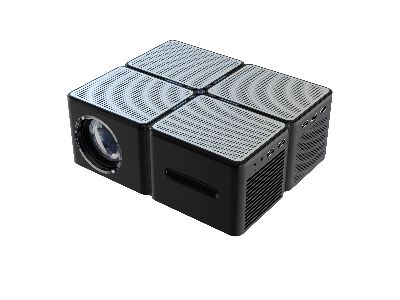
As the demand for home entertainment systems grows, many home cinema distributors are focusing on the premium end of the projector screen market. This shift is driven by consumers seeking higher-quality viewing experiences, leading to increased expectations for performance and aesthetics. For B2B buyers like purchasing managers and distributors, understanding the nuances of premium projector screen and projector is essential for making informed decisions. This article will help you navigate key factors such as quality evaluation, specifications, cost considerations, installation challenges, and material impacts.
How to Evaluate Quality in Premium Projector Screen Suppliers?
Evaluating quality in premium projector screen suppliers involves considering several factors that reflect their manufacturing processes and product offerings. First, assess the supplier's experience in the industry; a reputable supplier should have a proven track record of delivering high-quality products consistently. Look for industry certifications that indicate compliance with international quality standards, which can provide additional assurance of product reliability.
Next, inquire about the supplier's quality control processes. Understanding how they test their screens for defects, durability, and performance can give you confidence in their products. For instance, ask about their screen projector screen testing methods for screen flatness, light reflection properties, and color accuracy. A supplier that offers a warranty on their products can also be a good indicator of quality, as it suggests they stand behind their offerings.
Finally, consider the supplier's ability to customize products to meet specific requirements. Many distributors and purchasing managers prefer suppliers who can provide tailored solutions, ensuring that the projector screens fit precisely with various installations and customer needs.
Key Specifications for High-End Projector Screens You Should Know
When selecting premium projector screens, several key specifications should be closely examined:
Material Type: The choice of material significantly affects the screen's performance. Common materials include PVC, woven fabric, and micro-perforated options. Each has unique properties regarding light reflection, durability, and viewing angles. For example, PVC screens often provide excellent brightness and color reproduction, while woven fabrics offer enhanced acoustic transparency for home theaters.
Gain Factor: This specification indicates how much light the screen reflects compared to a standard white board. A gain factor of 1.0 means the screen reflects light equally, while higher values indicate increased reflectivity. Selecting the right gain factor is crucial depending on the room’s ambient light conditions and the projector's brightness.
Resolution Compatibility: Ensure that the screen is compatible with the resolution of the projectors being used, especially if high-definition or 4K projectors are involved. The screen size and aspect ratio should match the projector screen with projector projection output to avoid distortion or pixelation.
Screen Size and Aspect Ratio: These dimensions should align with the intended viewing environment and audience size. Common aspect ratios include 16:9 for standard HD and 2.35:1 for cinematic formats, catering to different viewing preferences.
Understanding these specifications allows buyers to make informed decisions that align with their specific application needs.
Cost Factors for Purchasing Premium Projector Screens in Bulk
When purchasing premium projector screens in bulk, several cost factors come into play. The initial unit price is crucial, but it’s essential to consider the total cost of ownership, which may include shipping, installation, and maintenance costs.
Volume Discounts: Many suppliers offer pricing tiers based on order volume. As a buyer, negotiating for bulk discounts can lead to significant savings, making it financially viable to invest in higher-quality screens.
Customization Costs: If customized solutions are required, such as unique dimensions or special materials, this can increase the overall cost. It's advisable to clarify customization fees upfront to avoid unexpected expenses.
Shipping and Handling: Consider the logistics involved in transporting large quantities of screens. Shipping costs can vary based on distance and packaging requirements. Ensure that the supplier provides efficient packaging to minimize damage during transit.
Warranty and Support: Factor in any additional costs associated with warranties or after-sales support. A product with a more extended warranty might have a higher upfront cost but can save money in the long run through reduced maintenance and replacement needs.
Understanding these cost factors can help you budget effectively and make strategic purchasing decisions.
Common Installation Issues with Premium Projector Screens and Solutions
Installing premium projector screens can present various challenges. Here are some common issues and their solutions:
Alignment Problems: Incorrect alignment can lead to uneven projections. To avoid this, ensure that the mounting brackets are installed level and that the screen is properly tensioned during installation. Using a laser level can help achieve precise alignment.
Ambient Light Interference: In environments with significant ambient light, screen performance may be compromised. To mitigate this, consider using screens with higher gain factors or installing blackout curtains to control light levels.
Incompatibility with Projector Mounts: Some screens may not be compatible with specific mounts. Before installation, verify that the screen's dimensions and mounting system match the projector's specifications. Consulting with the supplier can provide clarity on compatibility.
Electrical Issues for Motorized Screens: If using a motorized screen, ensure that electrical connections are made correctly and that the power source is reliable. Testing the screen's operation before final installation can prevent future issues.
By anticipating these installation challenges, you can streamline the process and enhance the overall performance of your home cinema setup.
How Material Quality Impacts the Performance of Projector Screens?
The quality of materials used in projector screens plays a crucial role in their overall performance. Different materials can affect light reflection, color accuracy, and durability. Here’s how:
Light Reflection: High-quality materials are designed to optimize light reflection, enhancing image brightness and clarity. For instance, a high-grade PVC material can significantly improve color reproduction and contrast compared to lower-quality options.
Durability and Maintenance: Premium materials are often more resistant to wear and tear, which is essential for long-term use. For example, woven fabrics may be less prone to creasing and can be cleaned more easily than cheaper alternatives, maintaining their appearance and performance over time.
Acoustic Properties: In home theater applications, the material's acoustic properties can impact sound quality. Micro-perforated screens allow sound to pass through without distortion, making them ideal for setups that integrate audio systems.
Environmental Resistance: Consideration of environmental factors is also vital. For instance, screens intended for outdoor use should be made from materials that withstand moisture and UV exposure, ensuring longevity and performance.
By understanding how material quality influences performance, buyers can select screens that meet their specific application requirements, leading to a superior viewing experience.
Table of Contents
- How to Evaluate Quality in Premium Projector Screen Suppliers?
- Key Specifications for High-End Projector Screens You Should Know
- Cost Factors for Purchasing Premium Projector Screens in Bulk
- Common Installation Issues with Premium Projector Screens and Solutions
- How Material Quality Impacts the Performance of Projector Screens?