 EN
EN
 AR
AR
 HR
HR
 NL
NL
 FR
FR
 DE
DE
 IT
IT
 JA
JA
 PL
PL
 RU
RU
 ES
ES
 SV
SV
 TL
TL
 ID
ID
 LT
LT
 SR
SR
 SK
SK
 UK
UK
 VI
VI
 MT
MT
 TH
TH
 TR
TR
 FA
FA
 MS
MS
 GA
GA
 AZ
AZ
 KA
KA
 LA
LA
 MN
MN
 MY
MY
 KK
KK
 UZ
UZ
 KY
KY
 LB
LB


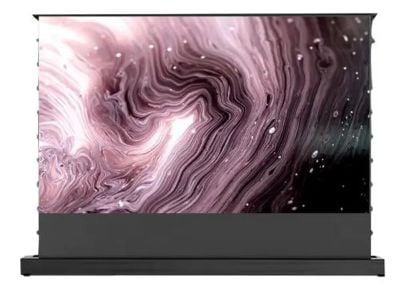
Understanding projector screen samples is crucial for AV installers to ensure that they meet the specific requirements of their projects. This article focuses on "Projector Screen Samples for AV Installers: How to Test ALR, Speckle, and Gain," addressing key buyer concerns such as product quality, application suitability, and supplier reliability. We will help you navigate the complexities of evaluating portable projector screen, ensuring you make informed decisions that enhance your installations.
How to Evaluate ALR, Speckle, and Gain in Projector Screens?
When assessing projector screens, three critical factors come into play: Ambient Light Rejection (ALR), speckle, and gain.
Ambient Light Rejection (ALR) refers to a screen’s ability to reject unwanted ambient light while maintaining image contrast and color fidelity. A high-quality ALR screen is essential in environments with considerable ambient light, such as conference rooms or classrooms. To evaluate ALR, you can conduct tests in various lighting conditions, comparing images projected on different screen surfaces.
Speckle is a common issue with projection systems, particularly with laser projectors. It manifests as a grainy texture on images, detracting from the viewing experience. To test for speckle, observe the projected image on the screen from various angles and distances. Look for uniformity in color and texture. If speckle is prominent, consider screens designed with anti-speckle technologies.
Gain measures a screen's brightness, indicating how much light is reflected back to the audience. A screen with a gain of 1 reflects light equally in all directions, while higher gain values direct more light toward the audience but may narrow the viewing angle. Assess gain by projecting a white image onto the best projector screen and using a light meter to measure the brightness at various angles. Choose a gain that suits your installation environment; for instance, a higher gain may be beneficial in large rooms, while a lower gain is preferable for smaller spaces.
Supplier Tips for Sourcing Quality Projector Screens in Bulk
When sourcing projector screens in bulk, it’s vital to evaluate suppliers based on several criteria. Start by verifying their manufacturing capabilities and quality control processes. A supplier with a robust quality management system will ensure that all products meet industry standards and your specific requirements.
Engage with suppliers who provide detailed product specifications and samples. Request certifications and documentation that demonstrate compliance with safety and performance standards. Additionally, consider their lead times and minimum order quantities (MOQs) to ensure they align with your project timelines and budget.
Building a strong relationship with suppliers can lead to better pricing and customization options. Discuss your specific needs, such as screen size variations or unique mounting solutions, to find a partner willing to accommodate your requests. A supplier like WUPRO, which specializes in OEM/ODM services, can help create customized solutions tailored to your projects.
Key Specifications to Consider for Projector Screen Samples
When evaluating projector screen samples, several key specifications should be assessed to ensure they meet your needs:
Material: The choice of material affects durability, flexibility, and performance. Fabrics designed for projection should minimize glare and improve image clarity.
Size and Aspect Ratio: Ensure the screen size is appropriate for the projection distance and viewing environment. Common aspect ratios include 16:9 for widescreen and 4:3 for standard formats.
Surface Texture: The texture impacts light reflection and image quality. Smooth surfaces are generally better for high-resolution images, while textured surfaces can enhance viewing in brightly lit rooms.
Mounting Options: Consider how the screen will be installed. Fixed, pull-down, or motorized options may be more suitable depending on your installation's requirements.
Request samples to evaluate these specifications in real-world conditions. Conduct tests to ensure the screens perform as expected in your specific application.
Common Problems with Projector Screens and Effective Solutions
While projector screens are designed for optimal performance, common issues can arise. Here are a few problems and their solutions:
Wrinkles or Bubbles: These can distort the image quality. Ensure the screen is installed properly and consider using tensioning systems to keep the surface taut. If wrinkles are present in a fabric screen, they may diminish with time or can be smoothed out by gently applying heat with a low-temperature iron.
Color Accuracy: If colors appear washed out, check the projector settings and ensure the screen's gain is appropriate for the environment. Using screens with color-enhancing coatings can also help improve color fidelity.
Installation Challenges: Ensure that the mounting hardware is suitable for the screen size and weight. Provide clear installation instructions to avoid misalignment or instability.
Cleaning and Maintenance: Regular cleaning is essential to maintain image quality. Use manufacturer-recommended cleaning solutions to avoid damaging the screen surface.
Cost Factors to Assess When Purchasing Projector Screen Samples
Understanding the cost factors when purchasing projector screen samples is crucial for budget management. Several elements influence the price:
Material Quality: Higher-quality materials, such as specialized fabrics with ALR properties, will typically be more expensive. However, they can offer significant long-term savings by enhancing image quality and durability.
Screen Size and Customization: The huge projector screen and customized solutions often come with higher costs. Be clear about your size requirements and whether customization is necessary for your project.
Quantity Discounts: Bulk purchases can lead to significant savings. Discuss pricing structures with suppliers, including any potential discounts for larger orders.
Shipping and Handling: Factor in shipping costs, especially for international orders. Consider the supplier’s location and whether they can accommodate your delivery timelines.
Warranty and Support: Consider the warranty period and support offered by the supplier. While a lower initial cost can be attractive, a robust warranty can save you money in the long run by covering potential defects or issues.
By understanding these cost factors, you can make informed purchasing decisions that align with your project requirements and budget constraints.
Table of Contents
- How to Evaluate ALR, Speckle, and Gain in Projector Screens?
- Supplier Tips for Sourcing Quality Projector Screens in Bulk
- Key Specifications to Consider for Projector Screen Samples
- Common Problems with Projector Screens and Effective Solutions
- Cost Factors to Assess When Purchasing Projector Screen Samples