 EN
EN
 AR
AR
 HR
HR
 NL
NL
 FR
FR
 DE
DE
 IT
IT
 JA
JA
 PL
PL
 RU
RU
 ES
ES
 SV
SV
 TL
TL
 ID
ID
 LT
LT
 SR
SR
 SK
SK
 UK
UK
 VI
VI
 MT
MT
 TH
TH
 TR
TR
 FA
FA
 MS
MS
 GA
GA
 AZ
AZ
 KA
KA
 LA
LA
 MN
MN
 MY
MY
 KK
KK
 UZ
UZ
 KY
KY
 LB
LB


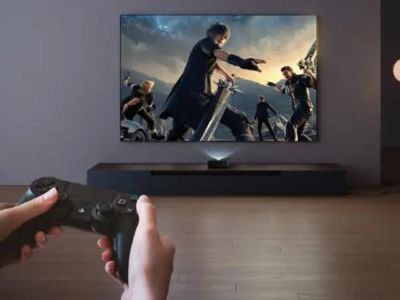
Retractable projector screens facilitate seamless presentations in both home and professional environments. When deciding between floor-rising and drop-down options, B2B buyers often face concerns regarding installation, performance, and cost-effectiveness. This guide will compare these two types of retractable screens, helping you understand their respective advantages and applications, ensuring you make an informed purchasing decision. 
What to Look for in Projection Screens
When selecting a retractable Projector screen, consider several key factors:
Material: The screen material significantly affects image quality. Options include matte white, gray, and high-gain materials, each offering different levels of reflection and color accuracy. For instance, a high-gain material might be suitable for bright environments, while a matte finish is preferable for darker settings.
Aspect Ratio: Depending on your content, choose an appropriate aspect ratio (16:9 for widescreen movies and 4:3 for presentations). This ensures that your content displays properly without distortion.
Installation Type: Installation methods vary widely. Floor-rising screens are typically set up in a room and can be moved easily, while drop-down screens are mounted to ceilings or walls and are less portable but save space.
Size and Format: Screen size should match the viewing distance and audience size. Larger screens are ideal for bigger rooms and audiences, whereas smaller ones work well for intimate settings.
Durability: Ensure the screen is made from robust materials that can withstand frequent use. Look for screens that are easy to clean and resistant to stains.
Price Range: Understand that costs can vary significantly based on features and materials. A good screen should provide value for your investment and meet your specific application needs.
Understanding Pricing for Bulk Orders of Screens
Pricing for retractable projector screens can vary based on several factors, particularly when ordering in bulk. Here are some considerations:
Material Costs: Higher-quality materials will typically increase the unit price. Bulk orders may qualify for discounts, but the material choice should align with your application needs.
Customization: If you require screens with specific dimensions or features, customization can affect pricing. Be clear about your requirements when requesting quotes.
Quantity Discounts: Many manufacturers offer tiered pricing based on order quantity. Confirm the minimum order quantities (MOQs) to leverage better pricing.
Shipping Costs: Bulk orders may also incur different shipping rates. Discuss logistics with your supplier to ensure cost-effectiveness.
Lead Time: Production time can impact pricing as well. Custom screens may take longer to manufacture, which could affect pricing per unit if you need to expedite the order.
Understanding these pricing factors can help you negotiate better deals and plan your budget effectively.
Installation Guidance for Floor-Rising vs Drop-Down Screens
Installation is a crucial aspect that can influence your choice between floor-rising and drop-down projector screens:
Floor-Rising Screens: These screens typically require minimal installation. They can be set up on the floor and are ideal for temporary setups. Ensure that the surface is even and stable to prevent any tipping or movement during use.
Drop-Down Screens: These require more complex installation, often needing brackets or mounts attached to the ceiling or wall. The installation should consider the screen's weight and the mounting surface’s structural integrity. Proper alignment is critical to ensure that the screen rolls down smoothly and remains level.
Power Supply: For motorized screens, consider the proximity to power outlets. Ensure that you have adequate electrical access for the screen’s operation.
Accessibility: Think about how often the screen will be accessed. If frequent adjustments or maintenance will be required, choose a location that allows easy reach.
Professional Assistance: Depending on your team's expertise, it might be worthwhile to hire professionals for installation, especially for drop-down screens, to ensure they are secured properly.
Best Applications for Floor-Rising and Drop-Down Projector Screens
Choosing between floor-rising and drop-down screens will depend heavily on their intended application:
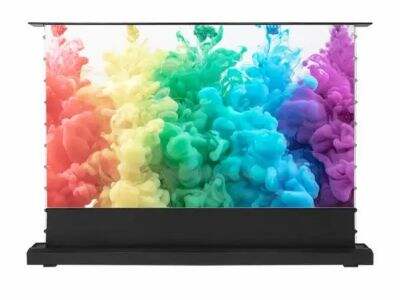
Floor-Rising Screens: Ideal for mobile setups such as conferences, trade shows, and events where flexibility is needed. They can be easily transported and set up in different locations, making them versatile for various presentations.
Drop-Down Screens: Best suited for permanent installations in conference rooms, classrooms, and home theaters. These screens provide a clean, professional look and are often integrated with AV systems for seamless presentations.
Hybrid Uses: Some setups may benefit from both types of screens, depending on the audience and content. For example, a floor-rising screen may be used for informal meetings while a drop-down screen is reserved for formal presentations.
Environmental Considerations: In rooms with ambient light, the type of screen material can impact visibility. Consider using a high-gain drop-down screen in bright environments, while a floor-rising screen may work better in darker spaces.
Evaluating your application needs will help you select the most appropriate screen type.
Sourcing Reliable Suppliers for Screens
Finding a trustworthy supplier is crucial for ensuring quality and performance. Here are steps to consider:
Research Suppliers: Look for manufacturers with a solid reputation in the industry. Verify their experience in producing retractable screens and read customer reviews.
Quality Assurance: Ensure that the supplier follows rigorous quality control processes. Ask about their certifications and testing procedures to confirm product reliability.
Customization Capabilities: If you need tailored solutions, ensure the supplier can accommodate specific requests, such as custom sizes or features.
Sample Requests: Before placing a bulk order, request samples to assess material quality and construction. This step is vital to avoid issues during mass production.
Communication: A reliable supplier should maintain open lines of communication throughout the purchasing process. Ensure they are responsive to your queries and provide clear information about lead times and pricing.
After-Sales Support: Consider the level of customer support offered post-purchase. A good supplier will assist with installation guidance and address any concerns that may arise.
By focusing on these areas, you can establish a strong relationship with a supplier who meets your needs for quality retractable projector screen and projector.
Investing time and effort into understanding retractable projector screens—especially the differences between floor-rising and drop-down options—will pay off in optimizing your presentations and ensuring effective communication in your business environment.