 EN
EN
 AR
AR
 HR
HR
 NL
NL
 FR
FR
 DE
DE
 IT
IT
 JA
JA
 PL
PL
 RU
RU
 ES
ES
 SV
SV
 TL
TL
 ID
ID
 LT
LT
 SR
SR
 SK
SK
 UK
UK
 VI
VI
 MT
MT
 TH
TH
 TR
TR
 FA
FA
 MS
MS
 GA
GA
 AZ
AZ
 KA
KA
 LA
LA
 MN
MN
 MY
MY
 KK
KK
 UZ
UZ
 KY
KY
 LB
LB


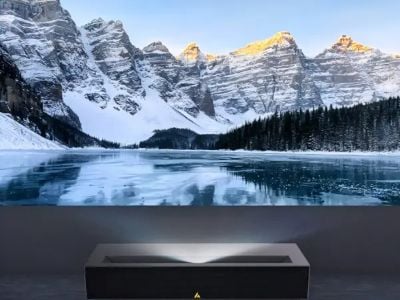
Choosing the right projector screens is essential for AV installers and home cinema dealers to meet their clients' expectations. This Projector Screen Supplier Guide for AV Installers & Home Cinema Dealers will help you navigate the critical aspects of selecting, sourcing, and setting up portable projector screen. With a focus on quality, specifications, and supplier reliability, this guide addresses the primary concerns of purchasing managers and other B2B buyers to ensure successful projects.
How to Choose the Right Projector Screens for Your Clients?
When selecting projector screens, consider the specific needs of your clients, including room size, lighting conditions, and intended use. For instance, ambient light-rejecting screens are ideal for bright environments, while dedicated home theaters may benefit from high-contrast screens that enhance color depth. Evaluate screen type (fixed, retractable, or portable) based on installation preferences and space constraints. Additionally, consider the aspect ratio that fits the project, such as 16:9 for standard televisions or 2.35:1 for cinematic experiences.
Understanding the technical specifications is also crucial. Pay attention to gain, which measures the screen's reflectivity. A gain of 1.0 is standard, but higher gains may be suitable for brighter projectors. Ensure that the screen's size aligns with the projector's throw distance for optimal image quality.
What to Look for in Projector Screens?
A quality projector screen should possess certain characteristics that enhance performance and durability. The screen material is crucial; options include PVC, woven, and specialized fabrics. Each material offers unique advantages, such as enhanced color reproduction or reduced glare. Evaluate the screen's surface texture as well; a smooth surface can improve image clarity while a textured surface may diffuse light for wider viewing angles.
Frame construction is another key factor. Look for sturdy, lightweight materials that allow for easy installation and stability. Ensure that the screen is compatible with various mounting systems, which can include wall, ceiling, or tripod setups.
Lastly, examine the warranty and customer support provided by suppliers. A reliable warranty can indicate the manufacturer's confidence in their product's durability, and strong customer support is invaluable for troubleshooting and installation assistance.
Where to Source Reliable Projector Screen Suppliers for Your Needs?
Finding reputable projector screen suppliers is vital for ensuring quality and reliability. Start by researching manufacturers with a strong track record in the AV industry. Look for suppliers like WUPRO, which specializes in smart home technology and offers a range of projector screen portable. Evaluate their certifications and industry partnerships, as these can signify adherence to quality standards.
It's wise to request samples before making bulk purchases. Sampling allows you to assess the screen’s performance and material firsthand, ensuring it meets your project requirements. Additionally, consider suppliers that offer customization options, as tailored solutions can better fit your clients' specific needs.
Networking within industry forums and attending trade shows can also provide insights into reputable suppliers and emerging technologies. Engaging with peers can lead to recommendations based on real-world experiences, further guiding your sourcing decisions.
Cost Factors to Consider When Buying Projector Screens Wholesale
Understanding the cost factors involved in purchasing projector screens wholesale is crucial for budgeting and maximizing profit margins. Prices can vary significantly based on factors such as screen size, type, and material. For instance, high-gain screens or those with advanced features may come at a premium.
Minimum order quantities (MOQ) can affect pricing as well. Suppliers often provide better rates for larger orders, but ensure that the MOQ aligns with your purchasing capabilities and project needs. Factor in shipping costs, as bulky screens can lead to high transportation expenses.
Lastly, consider the total cost of ownership, which includes installation and maintenance expenses. Investing in a slightly more expensive screen with superior durability can reduce long-term costs associated with replacements or repairs.
Projector Screen Setup
Proper setup is essential for optimal projector screen performance. Begin by determining the appropriate mounting height based on the viewer's eye level and the projector's throw distance. A common guideline is to position the screen so that the bottom edge is approximately 1-2 feet from the floor.
Ensure that the projector and screen are aligned to avoid distorted images. Utilize tools such as bubble levels and laser measuring devices to achieve precise alignment. If using a motorized screen, verify that the installation allows for unobstructed movement.
Once installed, test the screen under various lighting conditions to evaluate its performance. Make adjustments as necessary to optimize viewing angles and image quality. For long-term maintenance, advise clients to clean screens with appropriate materials to avoid damage and maintain clarity.
By following this guide, AV installers and home cinema dealers can make informed decisions about best projector screen, ensuring that their clients receive high-quality products tailored to their specific needs.