 EN
EN
 AR
AR
 HR
HR
 NL
NL
 FR
FR
 DE
DE
 IT
IT
 JA
JA
 PL
PL
 RU
RU
 ES
ES
 SV
SV
 TL
TL
 ID
ID
 LT
LT
 SR
SR
 SK
SK
 UK
UK
 VI
VI
 MT
MT
 TH
TH
 TR
TR
 FA
FA
 MS
MS
 GA
GA
 AZ
AZ
 KA
KA
 LA
LA
 MN
MN
 MY
MY
 KK
KK
 UZ
UZ
 KY
KY
 LB
LB


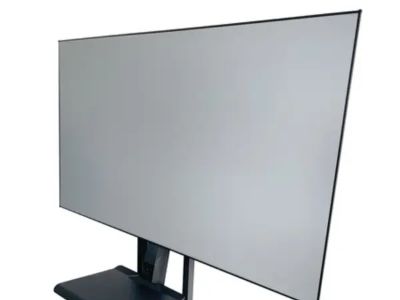
Custom projector screens are essential tools for home cinema installers, offering tailor-made solutions to meet specific viewing needs in diverse environments. Understanding the various aspects such as sizes, materials, and lead times is crucial for purchasing managers and distributors in selecting the right screens for their projects. This article will guide you through the key considerations for custom projector screen portable, helping you make informed decisions that align with your clients' requirements.
How Material Selection Impacts the Quality of Projector Screens
The material used in custom projector screens plays a significant role in determining image quality, durability, and overall performance. Common materials include vinyl, fabric, and specialized coatings that enhance reflectivity and minimize distortion. For instance, a high-gain screen material can significantly improve brightness and contrast, making it ideal for environments with ambient light. On the other hand, matte surfaces may be more suitable for dark rooms, as they reduce glare and provide a more accurate color representation.
When selecting materials, consider factors such as the screen's intended use, expected lifespan, and environmental conditions. For example, if the portable projector screen will be exposed to humidity or varying temperatures, materials with moisture resistance and flexibility should be prioritized. Furthermore, it’s essential to evaluate the compatibility of the material with the projector type, as some projectors may require specific reflective qualities for optimal performance.
Benefits of Bulk Orders for Projector Screens
Purchasing projector screens in bulk offers several advantages for home cinema installers and distributors. First and foremost is cost efficiency. Bulk orders typically qualify for discounts, allowing businesses to reduce their overall expenditure, which can be passed on to clients. Additionally, ordering in larger quantities can ensure consistency in materials and manufacturing, which is crucial for projects requiring multiple screens of similar specifications.
Another benefit is streamlined logistics. By consolidating orders, businesses can simplify their supply chain processes, reducing lead times and minimizing the risk of stockouts. This is particularly important for installers working on tight schedules. Moreover, bulk orders can facilitate better inventory management, ensuring that installers have the necessary screens readily available for upcoming projects.
Evaluating Custom Projector Screen Specifications for Your Needs
When assessing specifications for custom projector screens, it's vital to consider dimensions, aspect ratios, and mounting options. Dimensions should be tailored to the viewing environment; for instance, larger screens may be necessary for expansive rooms, while smaller, more compact screens may be adequate for intimate spaces. Aspect ratios, such as 16:9 for widescreen or 4:3 for traditional formats, should align with the content being displayed to prevent distortion.
Other critical specifications include the screen's gain factor, which measures its reflectivity, and its viewing angle, which affects how well the image appears to viewers situated at various angles. Additionally, consider the mounting options—fixed, retractable, or portable—to ensure the best projector screen suits the installation environment. Collaborating closely with manufacturers can help clarify these specifications, ensuring that all components align with your project requirements.
Common Installation Problems and Solutions for Projector Screens
Installation of custom projector screens can sometimes present challenges that may affect performance and user experience. One common issue is improper mounting height, which can lead to distorted images or obstructed views. To mitigate this, installers should follow recommended guidelines for screen placement based on the room's dimensions and the projector's throw distance.
Another frequent problem is the alignment of the screen with the projector. An off-center projector can result in keystone distortion, impacting image quality. Utilizing adjustable mounts and ensuring precise measurements during installation can help achieve optimal alignment.
Additionally, environmental factors such as ambient light can pose challenges. In rooms with high levels of natural light, using screens with higher gain or ambient light-rejecting materials can enhance image visibility. Installers should also communicate with clients about their viewing environment to recommend the most suitable solutions.
Understanding Lead Times for Custom Projector Screen Orders
Lead times for custom projector screen orders can vary based on several factors, including the complexity of the specifications and the manufacturing process. Generally, simpler designs with standard materials tend to have shorter lead times, while highly customized screens may require additional time for production. It’s essential for buyers to communicate their project timelines upfront, allowing manufacturers like WUPRO to provide accurate estimates.
When planning for lead times, consider potential delays due to material sourcing, production capacity, and shipping logistics. Early engagement with suppliers to discuss timelines can help avoid last-minute issues and ensure that custom projector screens are delivered when needed. Establishing a reliable relationship with manufacturers can also lead to smoother transactions and better understanding of typical lead times based on specific orders.
By understanding these key factors surrounding custom projector screens, home cinema installers and purchasing managers can make informed decisions that enhance project outcomes and client satisfaction.